Sensitive skin reacts to more than most people realize — fragrance, alcohol, harsh surfactants, and even some "natural" ingredients can trigger redness, stinging, or breakouts. Japanese skincare has a genuine advantage here: a long-standing cultural emphasis on gentle, low-irritation formulation. This guide covers how to actually choose within that category, since not every Japanese product is automatically sensitive-skin-friendly.
Why Japanese Skincare Tends to Suit Sensitive Skin
Japanese cosmetic formulation culture places heavy emphasis on minimal irritation as a baseline requirement, not an afterthought — a legacy of "suppin bijin" skincare philosophy that treats gentleness as fundamental to long-term skin health rather than a premium feature. This shows up practically as: fewer synthetic fragrances, milder surfactants in cleansers, and hydration-first formulas that avoid the harsh, stripping textures more common in some Western drugstore lines.
That said, "Japanese" alone does not guarantee gentleness — some Japanese products include actives like retinol or strong acids that are not appropriate for reactive skin. The category tendency is favorable, but ingredient-level checking still matters.
What to Look for on the Label
- Fragrance-free or low-fragrance — synthetic fragrance is one of the most common sensitivity triggers, even in otherwise gentle formulas.
- Alcohol-free — denatured alcohol (often listed simply as "alcohol") can be drying and irritating with regular use, especially in toners.
- Simple ingredient lists — formulas with fewer, well-established ingredients tend to carry lower reaction risk than long lists with multiple actives layered together.
- "Sensitive skin" or "medicated" labeling — several Japanese brands specifically formulate and label products for reactive skin, which is a genuine, meaningful signal, not just marketing language.
Building a Sensitive-Skin Routine
Cleanser
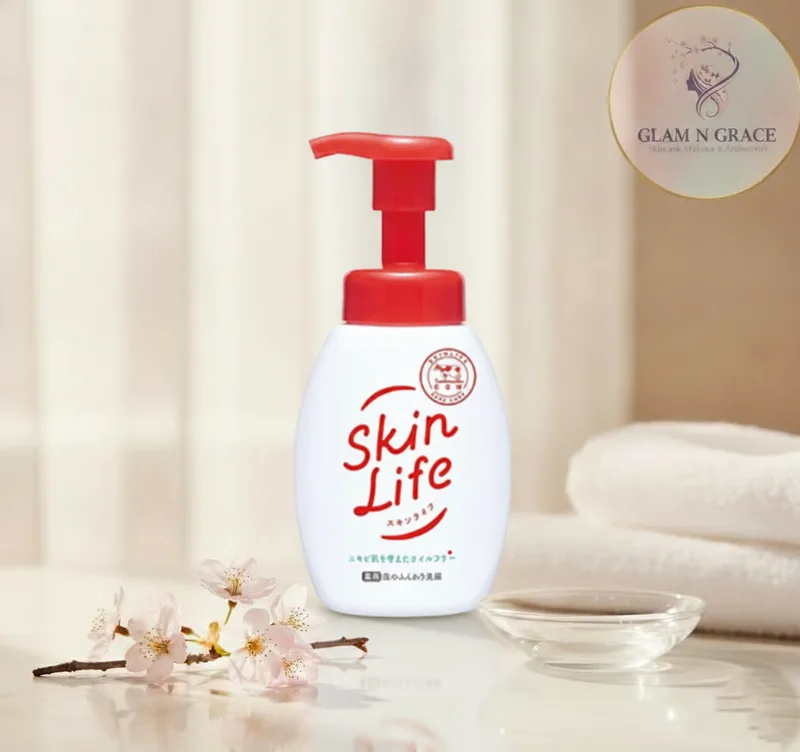
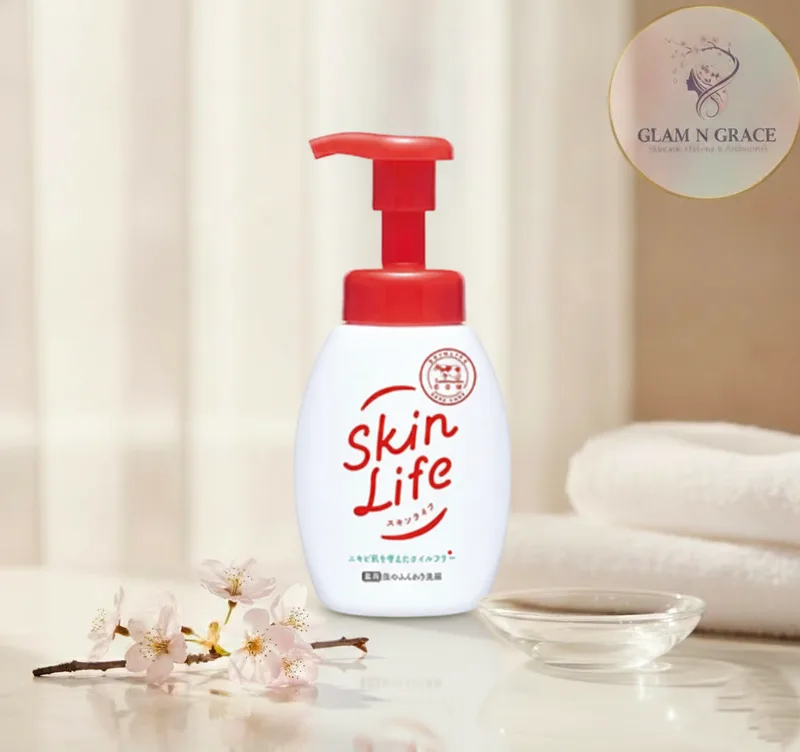
Choose a mild, low-foam cleanser that does not leave skin feeling tight afterward. The Cow Brand Skin Life Medicated Foam Face Wash is formulated with sensitive, reactive skin specifically in mind, using a gentler surfactant base than a typical foaming cleanser.
Toner/Conditioner Step
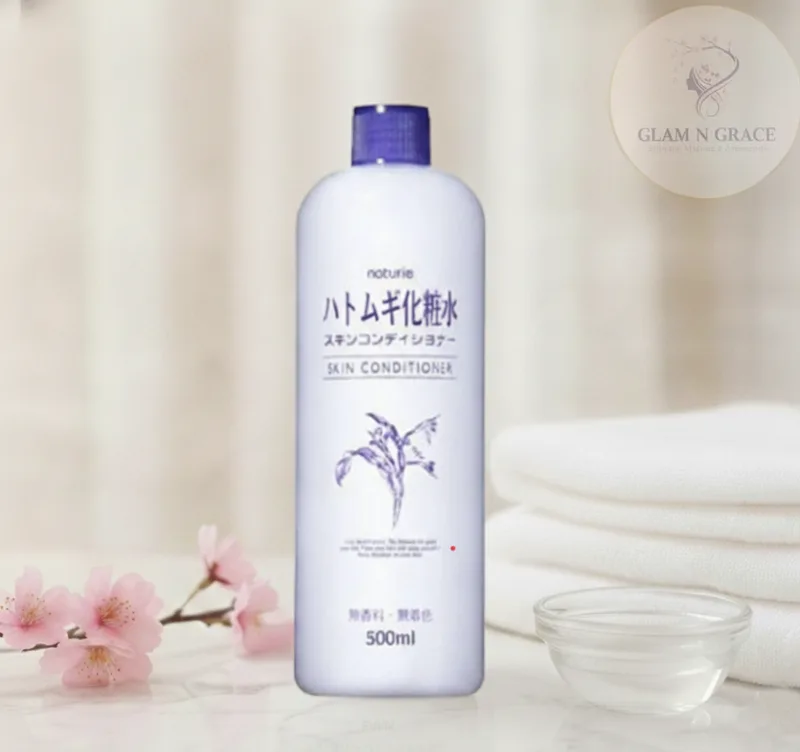
A calming, alcohol-free conditioning toner immediately after cleansing helps rebalance skin before it has a chance to feel tight or reactive. Naturie Hatomugi Skin Conditioner is built around coix seed (hatomugi) extract, a traditionally gentle, calming ingredient with a long history in Japanese skincare specifically for sensitive and reactive skin types.
Moisturizer
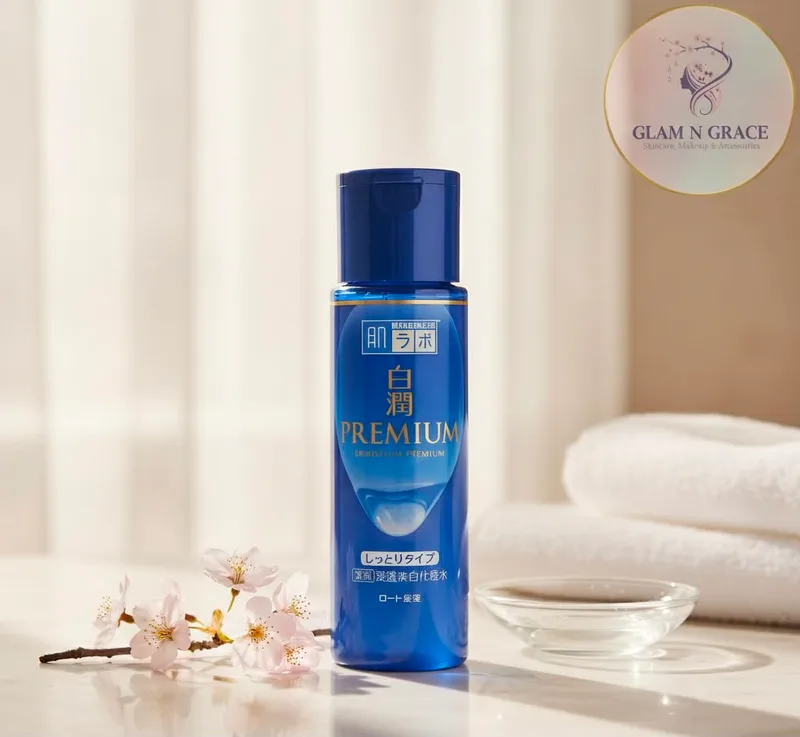
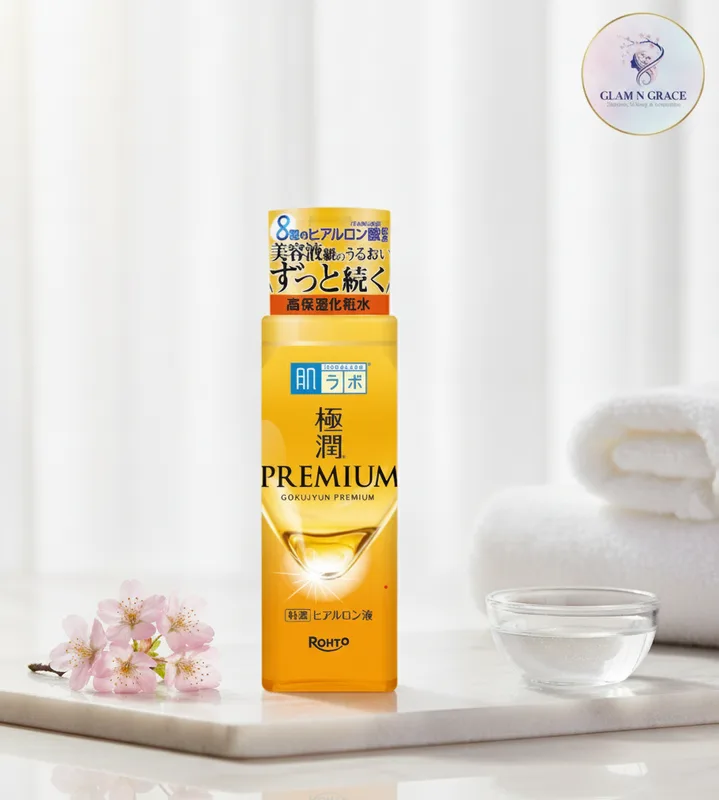
Look for a lightweight, hydration-focused lotion without added fragrance or strong actives. The Hada Labo Shirojyun Premium Lotion prioritizes simple, hydrating ingredients that layer well without triggering the stinging or tightness some richer creams can cause on reactive skin.
Patch Testing: Still Necessary
Even within a "gentle" category, sensitive skin should still patch test new products — apply a small amount to the inner forearm or behind the ear for two to three days before using it on the face. This applies regardless of how mild a product claims to be, since individual sensitivity varies.
Ingredients Worth Being Cautious With, Even in Gentle-Marketed Products
- Essential oils — often used as "natural" fragrance, but can be just as irritating as synthetic fragrance for reactive skin.
- High-percentage acids — even gentle-sounding exfoliating acids can be too much for reactive skin at higher concentrations; start with lower percentages if using any at all.
- Physical scrubs with rough granules — mechanical irritation is a separate risk from ingredient sensitivity, and sensitive skin is more prone to micro-tears from harsh scrubbing.
FAQs
Does "hypoallergenic" on a label guarantee no reaction?
No — "hypoallergenic" is not a regulated or standardized claim in most markets, including Japan. It signals lower likelihood of reaction, not a guarantee. Patch testing remains the only reliable check for your specific skin.
Can sensitive skin use sunscreen without reacting?
Yes, but texture and formulation matter — mineral or gentle chemical sunscreen milk formulas tend to be better tolerated than heavier, fragranced sun creams. Always patch test new sunscreens as well, since they are used daily and any irritation compounds quickly.
Is fragrance-free always better for sensitive skin?
Generally yes, since fragrance (natural or synthetic) is one of the most common sensitivity triggers in skincare. It is one of the simplest, highest-impact filters to apply when shopping for sensitive skin.
Conclusion
Japanese skincare's cultural emphasis on gentle, minimal-irritation formulation makes it a strong starting category for sensitive skin, but the label still needs individual checking — fragrance-free, alcohol-free, and simple ingredient lists are the practical filters that matter most. Combined with patch testing every new product, this approach meaningfully reduces the trial-and-error most sensitive skin routines otherwise involve.
সংক্ষেপে (Summary in Bangla)
Japanese skincare সাধারণত sensitive skin-এর জন্য ভালো হয়, কারণ এতে fragrance কম থাকে আর ingredient list সহজ-সরল হয়। কিন্তু "Japanese" মানেই সব সময় gentle না — তাই label-এ fragrance-free, alcohol-free দেখে কেনা এবং নতুন product ব্যবহারের আগে patch test করাটা সবসময় জরুরি, তা প্রোডাক্ট যত gentle-ই মার্কেটিং করা হোক না কেন।